The average person waits years — often 7 to 10 — between first noticing hearing loss and actually doing something about it. In my experience, it's almost never because people don't care. It's because of a handful of myths that got stuck somewhere along the way, usually from a relative's old hearing aids or a story from decades ago. Let's clear them up.
Myth 1: "Hearing aids will make me look old"
This was a fair concern in 1995. Today's devices are a different category of product — many are smaller than a coffee bean, tucked discreetly behind or inside the ear, and some people wear them for months before anyone close to them even notices. Meanwhile, untreated hearing loss has the opposite effect: constantly asking "what?", missing jokes, and nodding along without following the conversation reads as disengaged, which tends to age someone socially far more than a small device ever would.
Myth 2: "They're just expensive volume knobs that won't really help"
That reputation usually traces back to hearing aids that were handed over on a generic factory setting and never actually checked against the person wearing them — which, unfortunately, still happens industry-wide more often than people realize. A hearing aid that's properly verified with real ear measurement and live speech mapping is a fundamentally different experience: it's programmed and confirmed for your specific ears and your specific hearing loss, not just "turned up."
Myth 3: "I'll just get a cheap pair online and see how it goes"
Over-the-counter devices have a place for very mild, narrowly-defined hearing loss in adults, but they skip the two things that actually make a fitting work: a real diagnostic hearing test to know what you're dealing with, and verification to confirm the device is doing its job for your ears specifically. Without that, you're genuinely guessing twice — once about what's wrong, and again about whether the device fixed it.
Myth 4: "Insurance won't cover it, so what's the point of even looking"
It's true that most medical plans don't cover hearing aids, the same coverage gap that exists for dental and vision. But "most" isn't "all," and coverage is inconsistent enough that it's always worth checking before assuming there's nothing available. At Serenity Hearing Aid Centers we verify actual insurance benefits for every guest, for free, before cost ever comes up.
Myth 5: "I'm not that bad yet, I'll wait"
This is the most common myth, and the costliest one. Hearing loss is progressive, and the brain's ability to process sound declines the longer it goes without clear input — which is part of why The Lancet Commission names untreated hearing loss in midlife as the single largest modifiable risk factor for dementia, ahead of diet, exercise, blood pressure, and smoking. Waiting doesn't pause the clock; addressing it earlier tends to make the adjustment easier, not harder.
What a properly verified fitting actually looks like
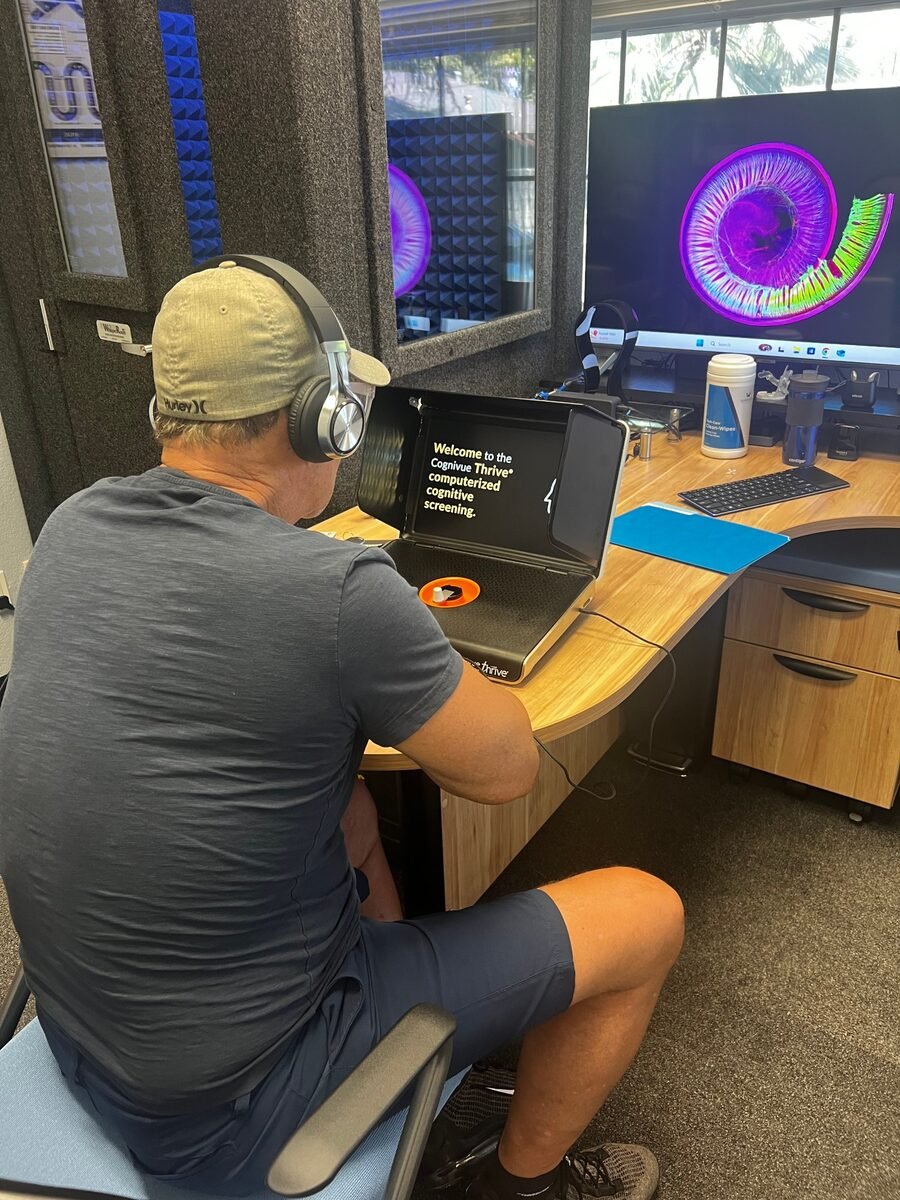
At Serenity Hearing Aid Centers, every fitting includes real ear measurement and live speech mapping — confirmed against your actual ears, with a voice you want to hear, not a beep in a booth. We're not locked into one manufacturer, so the recommendation is based on what you need, not what's on a sales quota. And every guest gets the same guarantee: if I can't deliver the best clarity your own ears and brain will allow, you get a 100% refund, no fine print.