Nobody wakes up one day and suddenly can't hear. Hearing loss almost always creeps in slowly, over years, which is exactly why most people miss it in themselves — and why the people around them usually notice it first. After 18 years and more than 38,000 hours fitting hearing aids, these are the seven signs I hear about most often, usually described as "it's probably nothing."
1. You ask people to repeat themselves — a lot
Not once in a while. Regularly, in the same kinds of situations: across the table at dinner, on the phone, from another room. If "what?" and "can you say that again?" have become part of your daily vocabulary, that's worth paying attention to.
2. Restaurants and group conversations have gotten exhausting
One of the earliest and most common signs is trouble separating speech from background noise. A quiet one-on-one conversation might feel fine, but add a few other conversations, music, or clattering dishes, and following along suddenly takes real effort. That effort adds up — it's a big reason people start avoiding social situations they used to enjoy.
3. The TV volume has crept up — and other people have noticed
If someone else in the house regularly comments that the television is too loud, trust that data point. It's one of the most consistent early indicators I see, because it's an easy comparison: two people, the same source, two very different experiences of it.
4. You find yourself reading lips or watching faces more closely
Many people compensate for hearing loss without realizing they're doing it, by leaning on visual cues — facial expressions, lip movement, context — to fill in gaps in what they're hearing. If you've noticed you need to see someone's face to really follow what they're saying, that's your brain already working around a problem.
5. Certain sounds feel like they've disappeared
Hearing loss is rarely "everything is quieter." Far more often, it's uneven: high-pitched sounds like birds, doorbells, or certain voices and consonants (s, f, th) become hard to catch, while other sounds seem normal. People often describe this as everyone "mumbling" — it's usually not that speech got quieter, it's that specific frequencies got harder to hear clearly.
6. You feel more tired, irritable, or withdrawn after socializing
This one surprises people. Straining to hear and fill in gaps all day is genuinely tiring, and it's a well-documented effect of untreated hearing loss. If you've noticed you're more drained after gatherings than you used to be, or that you've quietly started saying no to invitations, it's worth asking why.
7. A loved one has gently brought it up more than once
This is the sign I hear about most at the Clarity Hearing Screening™ itself: "My spouse/daughter/son has been telling me for a year." Family members usually notice the pattern long before the person experiencing it does, simply because they're the ones repeating themselves. If it's come up more than once, that's not nagging — that's useful information.
Why it matters beyond conversation
There's also a bigger reason to take this seriously early: The Lancet Commission's global dementia research has identified untreated hearing loss in midlife as the single largest modifiable risk factor for dementia — ahead of diet, exercise, blood pressure, and smoking. Addressing hearing loss isn't just about hearing better today; it's one of the most meaningful things you can do for your long-term brain health.
What to do next
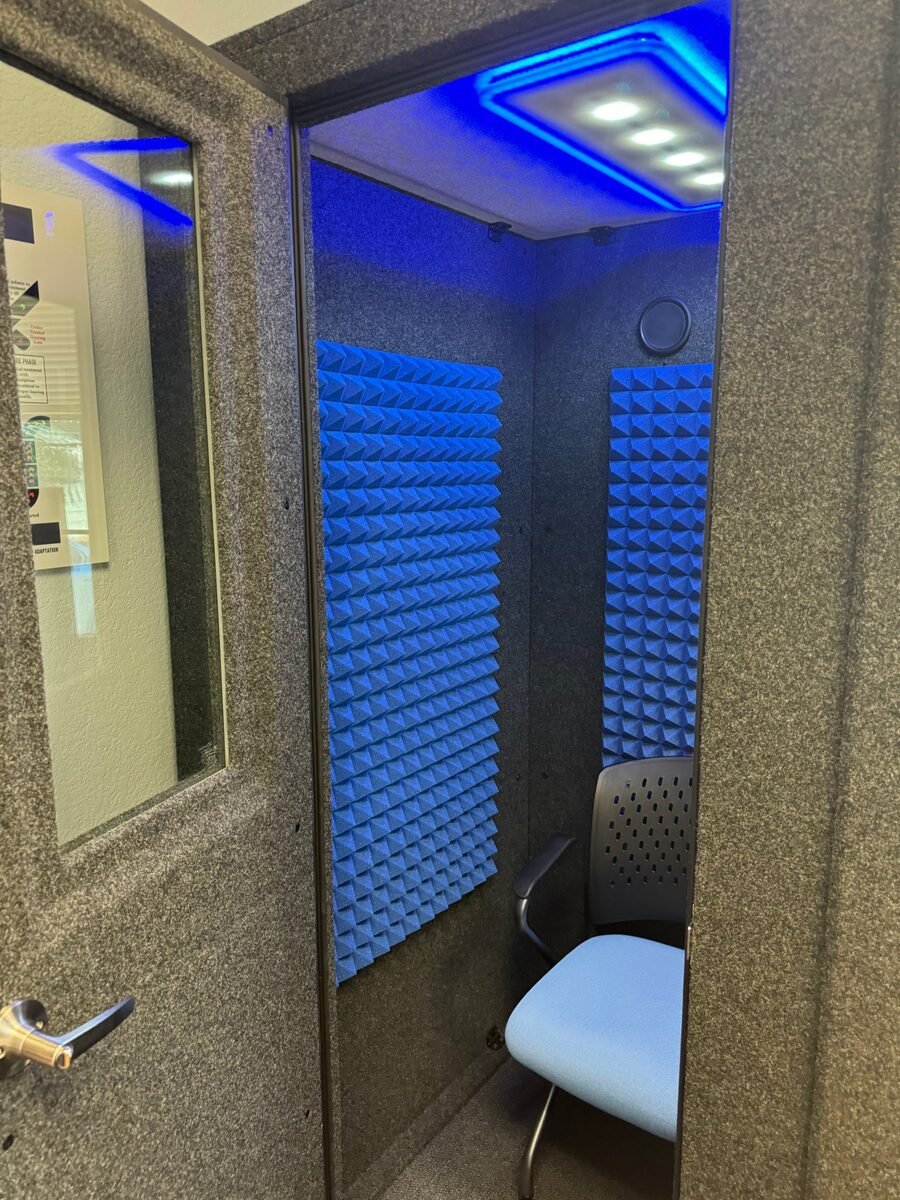
None of this is a diagnosis you can make on your own, and that's the point — guessing isn't useful either way. A real hearing screening takes the guesswork out: a hearing test, speech-in-noise testing, and a self-administered cognitive screening, with a written report in plain language at the end. At Serenity Hearing Aid Centers, the Clarity Hearing Screening™ is free, with no pressure attached to it, and we check your insurance benefits for free before cost ever comes up.